

Fashion Industry & Design Development Program
Understand fashion from every angle.
Fashion careers rarely fit into one box. Designers need to understand the customer. Marketers benefit from knowing how a garment is made. Buyers need an eye for product, and anyone hoping to build a brand needs to understand how all of those pieces work together.
The Fashion Industry & Design Development Program gives you that complete foundation.
Over 18 months, you’ll learn how fashion moves from concept to consumer, developing skills across design, garment construction, product development, branding, marketing, buying, merchandising and retail. You’ll work with industry tools, build your own collection and gain practical experience that helps you understand not only how the industry works, but where you might fit within it.
You don’t need to arrive knowing exactly what you want to do. The program is designed to give you the skills, experience and industry exposure to figure that out.

Program Overview
Length
This program is 18 months and runs 2.5 days per week, with schedule options designed for busy lives.
Hours
900 hours of instruction
48 hours practicum
45 weeks of education
Class Size
Maximum 20 students per class.
Credentials
Students graduate with:
A Diploma in Fashion Industry & Design Development
48 hours of industry practicum experience
A three-look personal collection
A professional portfolio and collection photoshoot
Tuition
$29,800 total tuition
First Year: $19,900
Second Year: $9,900
Financial aid, scholarships, and flexible payment plans available—our team can walk you through your options.
Next Start Dates
September 8, 2026
October 14, 2026
What You’ll Learn
Fashion is both a creative industry and a business. Your education should prepare you for both.
The curriculum follows the full journey of a fashion product, giving you experience across the creative, technical and commercial sides of the industry. You’ll learn to develop an idea, understand how it gets made, consider how it will be positioned and sold, and use the tools and information that fashion professionals rely on every day.
Build your understanding of how the industry works and develop the creative and commercial foundation you’ll use throughout the program.
You’ll explore fashion history and trend forecasting, illustration, textiles, design principles, branding, retail, merchandising and the relationship between design, production and business. You’ll also begin working with tools including Adobe Illustrator, Photoshop and CLO3D.
Module 1: Fashion Industry

Take those foundations further through hands-on design, construction and product development.
You’ll learn pattern making and sewing, develop collections, create tech packs and line lists, explore sourcing and manufacturing, and work through costing, quality control and supply chain. Alongside the technical work, you’ll study buying, marketing, e-commerce, visual merchandising and styling, building an understanding of what happens to a product after it leaves the design studio.
By the end of the program, you’ll bring everything together by designing and producing a three-look collection and presenting your work through a professional portfolio and photoshoot.
Module 2: Design Development


Industry Practicum
Knowing the industry is important. Experiencing it helps everything click into place.
Every student completes a 48-hour practicum with a fashion business, giving you the opportunity to apply what you’ve learned in a professional environment and start building relationships within the industry.
JCI’s career liaison works with students to find placements that align with their interests and goals. For many students, the practicum becomes an important first connection to the kind of work they want to pursue after graduation.
Skills You’ll Develop
SEWING
ADOBE ILLUSTRATOR
PATTERNMAKING
FASHION BUYING
ADOBE PHOTOSHOP
GARMENT CONSTRUCTION
CLO3D
PRODUCT DEVELOPMENT
RETAIL STRATEGY
TREND FORECASTING
FASHION ILLUSTRATION
MERCHANDISING
PORTFOLIO DEVELOPMENT
SOURCING & COSTING
MARKETING & BRANDING
STYLING

Download Program Magazine
Roles You’re Prepared For
FASHION DESIGNER
STYLIST
PATTERN DRAFTER
PRODUCTION COORDINATOR
BRAND COORDINATOR
GARMENT TECHNICIAN
FASHION BUYER
VISUAL MERCHANDISER
BUYING ASSISTANT
COSTUME DESIGNER
TEXTILE SPECIALIST
E-COMMERCE STYLIST
MARKETING COORDINATOR
SAMPLE MAKER
PRODUCT DEVELOPER
FASHION DESIGNER
Meet JCI Fashion Alumni
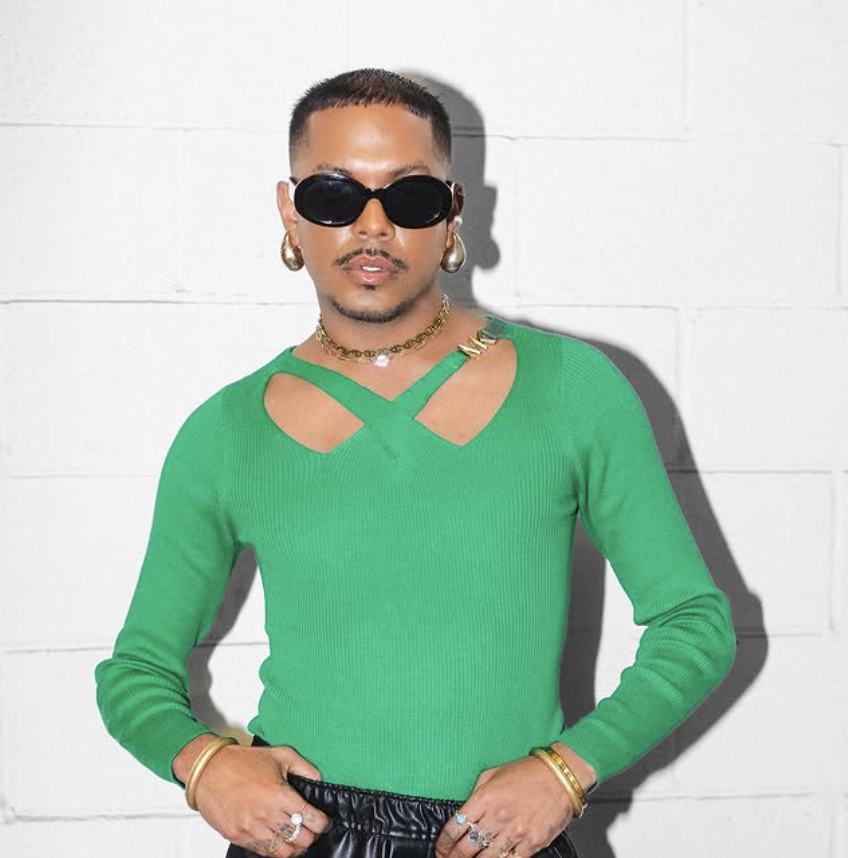
Jason Pillay
Monet is a lifelong educator with a passion for creating accessible, engaging learning experiences. Known for a calm, encouraging teaching style, Monet believes that growth happens when learners feel both challenged and supported.
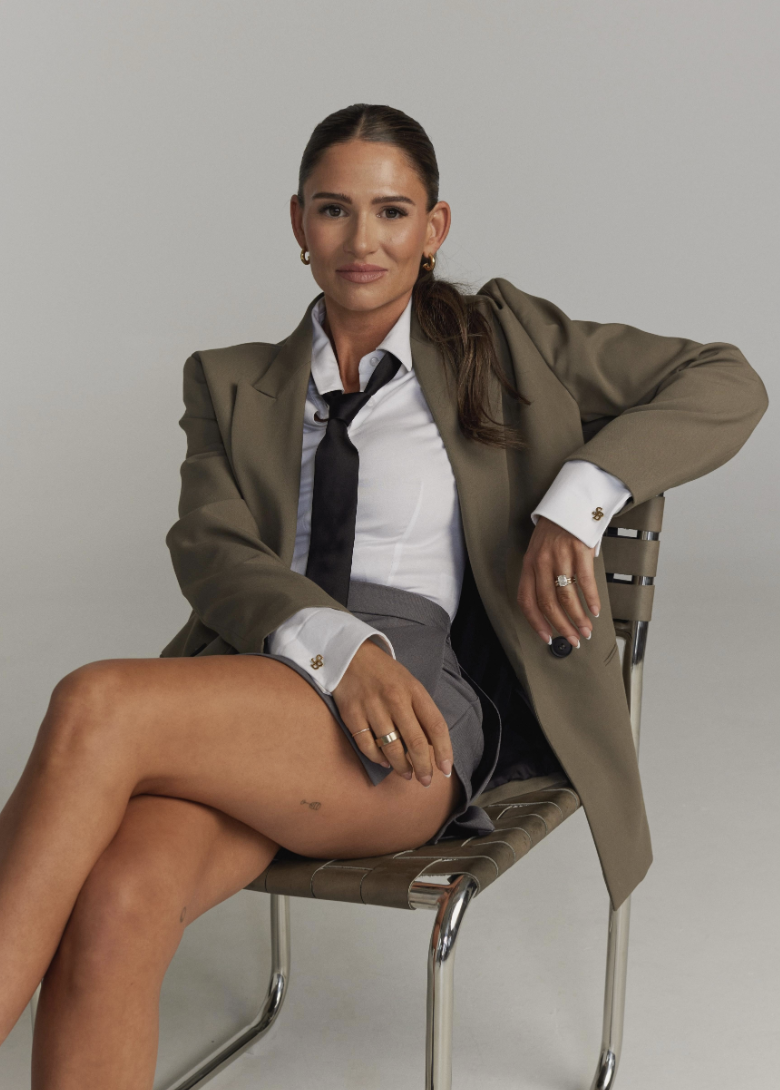
Sara Byblow
Emmett is a detail-oriented instructor who’s spent the past decade helping people develop new tools, habits, and mindsets. Their approach is clear, practical, and always infused with curiosity and care.

Shelly Charters
Eleanor's background spans education, coaching, and creative development. With a strong focus on process and progress, Eleanor helps learners move from where they are to where they want to be—one step at a time.
Student Collections




Student Collections
Your Questions, Answered
-
No. Design is an important part of the program because understanding how clothing is developed and made gives you valuable context for almost any fashion career. But the curriculum goes much further.
You’ll also study branding, marketing, buying, merchandising, product development, styling, retail and e-commerce, giving you the opportunity to explore different parts of the industry and discover where your strengths fit.
-
That’s completely okay. You’ll spend significant time learning the business and creative sides of fashion, including marketing, brand positioning, e-commerce, visual merchandising and styling.
Your design education gives you another advantage: you’ll understand the product you’re marketing, styling or selling and be able to communicate more confidently with designers, developers and production teams.
-
No previous fashion design or sewing experience is required. The program is designed to build your skills from the foundation up.
-
Yes. Every student completes a 48-hour industry practicum with a fashion business. You’ll also have opportunities throughout the program to build your portfolio, collaborate with other creatives and participate in projects that connect your education to the industry.
-
Government funding is available to eligible Canadian citizens and permanent residents. JCI also offers merit-based scholarships each term for qualified applicants.
