
Dermaplaning: The Skincare Treatment Everyone’s Talking About—And Why It Works
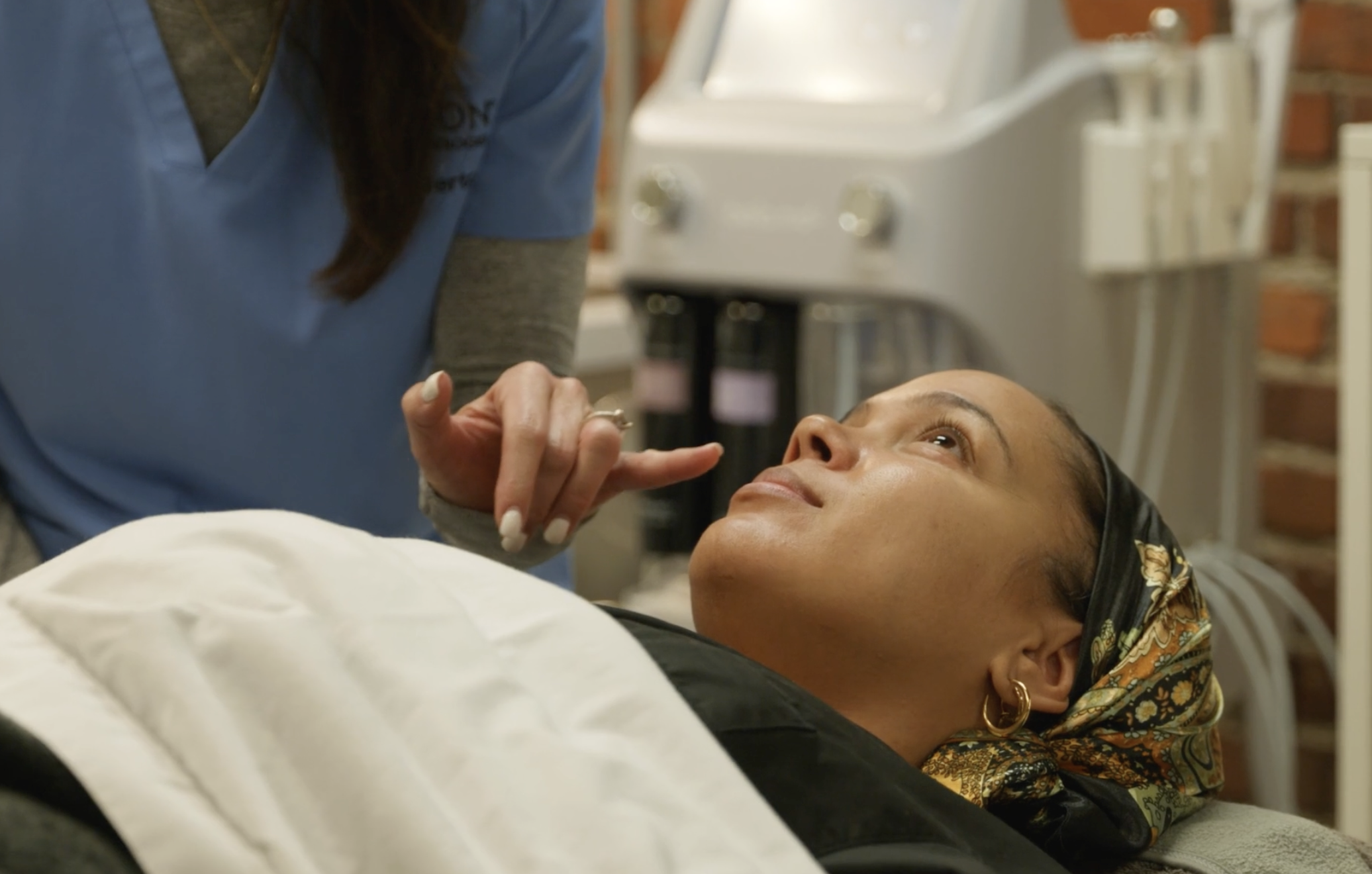
Some skincare treatments feel clinical. Others feel like a mini reset button. Dermaplaning is the rare one that does both. It’s simple, gentle, and surprisingly transformative—the kind of service that leaves people touching their face afterward saying, “Oh wow… is this my skin?”
So what actually happens during dermaplaning, and why has it become such a go-to treatment for smoother, brighter skin?
Let’s break it down.
What Dermaplaning Actually Is
Dermaplaning is a skincare treatment where an esthetician uses a sterile, surgical-style blade to gently exfoliate the skin’s surface. In real terms? It removes two things:
Dead skin buildup (which dulls the complexion)
Vellus hair—the soft “peach fuzz” that makes makeup sit unevenly
There’s no downtime, no burning, no discomfort. It’s one of the most approachable professional treatments out there. People love it because the results are immediate—not in-a-week, not after multiple visits. Right away.
Why People Love the Results
Clients walk out of dermaplaning appointments with skin that feels:
Noticeably smoother
Brighter and more even
Softer to the touch
Able to absorb skincare better
Makeup-ready (if they wear it)
It’s the kind of change you don’t need to talk someone into—they feel it as soon as they run a hand over their cheek.
Does Dermaplaning Make Hair Grow Back Thicker?
No—and this is one of the biggest myths estheticians hear. Dermaplaning removes vellus hair, which is naturally soft and fine. It will grow back exactly the same. Clients worry about this once. Then they get the treatment. Then they never worry about it again.
Who Benefits Most From Dermaplaning?
Dermaplaning works for almost everyone, but it’s especially great for people who:
Want instant radiance without downtime
Wear makeup and want a smoother finish
Deal with dryness and flaking
Want deeper product penetration
Prefer gentle treatments over harsh exfoliants
It’s also ideal before photoshoots, weddings, events, or any moment someone wants their skin to look naturally glowy.
What to Expect During the Service
A dermaplaning treatment usually includes:
A gentle cleanse
Skin assessment (because everyone walks in with different needs)
The dermaplaning itself—short, light strokes along the skin
Serums and moisturizer chosen for the client’s skin type
SPF (a must after any exfoliation)
The whole appointment often takes 30–45 minutes. Clients leave feeling fresh—not red, irritated, or overwhelmed.
Why Dermaplaning Training Matters
Like all professional esthetic services, dermaplaning requires:
Proper technique
Sanitation knowledge
Understanding of skin types and contraindications
Confidence with a blade
The ability to make clients feel safe and cared for
It’s one of those treatments that looks simple but requires strong foundational training behind the scenes. A skilled esthetician makes dermaplaning feel effortless—because they’ve put the work in to make it that way.
The Bigger Picture: It’s Not Just About Smooth Skin
People come in for smoother skin, yes. But they stay loyal to estheticians because of how the service makes them feel. Cared for. Relaxed. Confident. Comfortable in their own skin—literally. That’s why dermaplaning has become such a staple in modern skincare studios. It pairs real results with a real human experience.
Thinking About Studying Esthetics?
Dermaplaning is one of the most in-demand services in today’s skincare world, and it’s just one piece of what estheticians learn in professional training programs.
If you’re drawn to:
Helping people feel good in their skin
Hands-on, client-centered work
The science and art of skincare
A career that blends care, creativity, and trust
Then esthetics could be the right path. And it all starts with learning the craft in a place that feels alive, supportive, and full of possibility. See our students on their first day of dermaplaning.