
Fashion at JCI
Our Fashion department is made up of three specialized programs, each designed to support a different entry point into fashion careers.
You don’t have to have it all figured out
Some students know exactly what they want to focus on. Others are still exploring—or want a program that keeps their options open.
You don’t need to choose one narrow path right away.
We offer different entry points into fashion, so you can start where it makes sense for you. An Admissions Advisor can help you compare programs and decide what fits your goals, timeline, and experience—both now and as you grow.

How the fashion
industry works
Fashion is creative, but it’s also operational. Careers are built inside systems where products move through:
01
Design
02
Fit
03
Production
04
Buying
05
Branding
06
Commerce
Understanding this flow helps you see how collections are developed, launched, and sold.
Our fashion programs introduce you to these stages—whether you choose a full or focused pathway—so you can understand how the industry works and where your strengths fit.
Choose your program
Business of Fashion & Design Diploma
18 months—full pathway
Our most comprehensive fashion program, designed for students who want a complete education in both fashion business and garment design.
This diploma integrates creative development with business strategy, guiding students from concept through production and commercialization.
This program includes:
Fashion history, trend forecasting, and industry context
Retail operations, buying, and merchandising strategy
Branding, marketing, and multi-channel commerce
Product development, costing, and production processes
Illustration, Adobe tools, and portfolio development
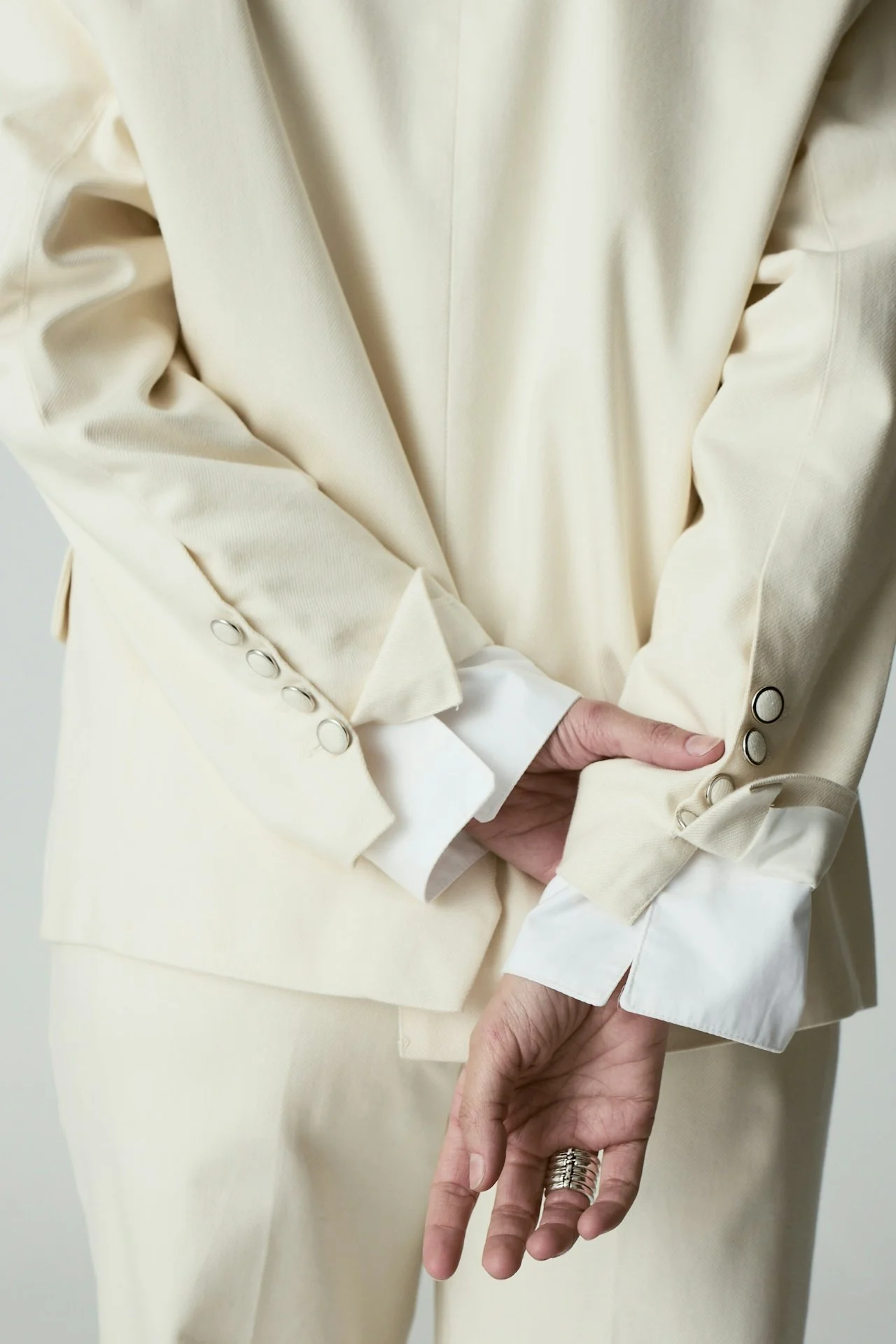
Sewing, pattern drafting, textile exploration, and garment construction
Through two structured modules and a practicum experience, students gain hands-on experience in both design execution and fashion business operations.
Ideal for students seeking a broad foundation across design and business—including garment construction—before specializing or pursuing entrepreneurial or industry roles.
Fashion Business & Creative Arts Diploma
11 months—focused pathway
A business-focused fashion program designed for students who want to understand how fashion moves from concept to consumer—without a construction component.
This diploma builds practical knowledge in:
Retail operations, buying, and merchandising
Product development and textiles
Branding, marketing, and digital commerce
Costing and multi-channel strategy
Creative communication through illustration and visual presentation
Through two structured modules and a practicum experience, students gain the operational insight and professional tools needed to pursue early-career roles in fashion buying, merchandising, marketing, brand support, or entrepreneurial pathways.
Ideal for students interested in the business and brand side of fashion who do not want a sewing-based program.
Core Design Certificate
7 months—focused pathway
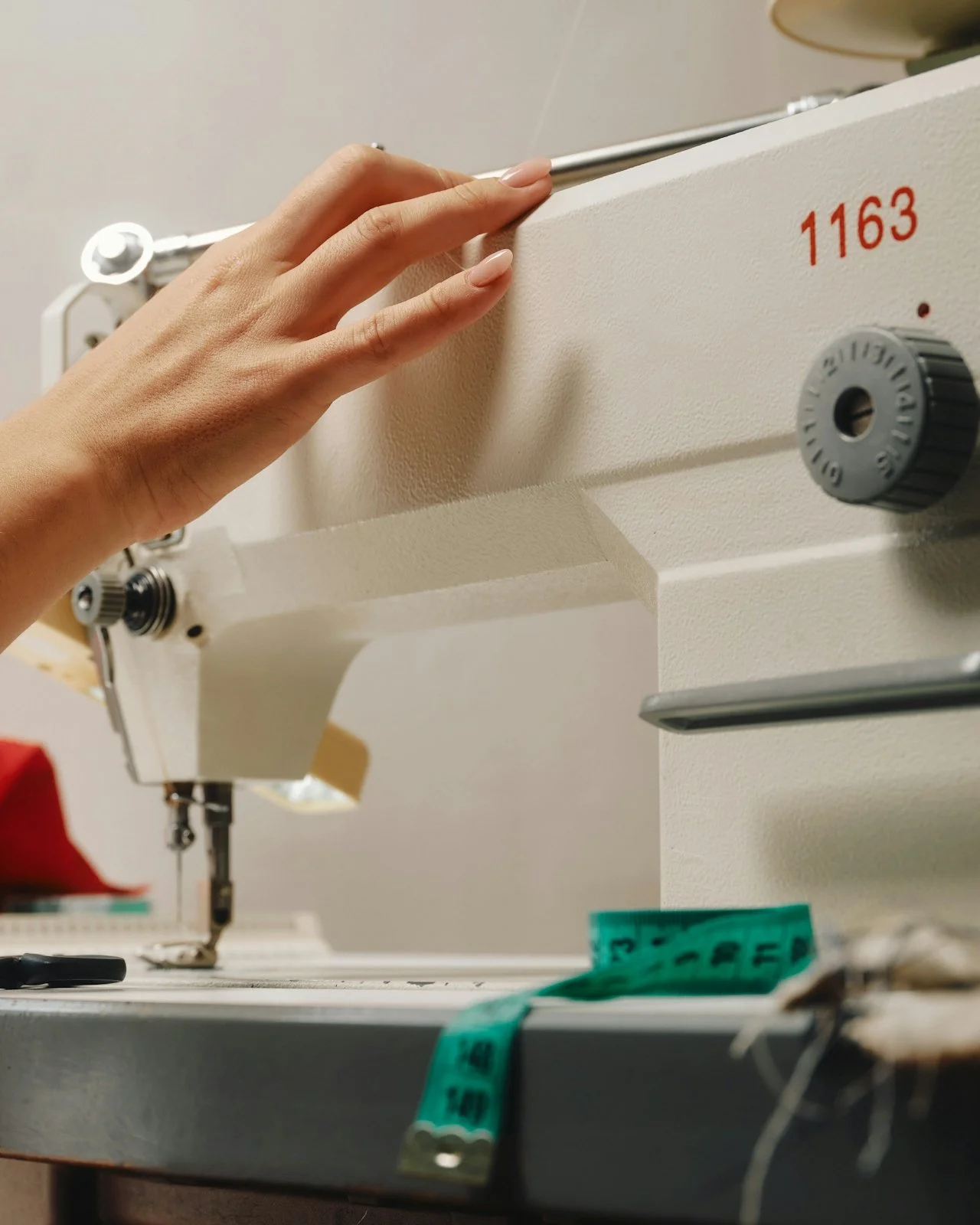
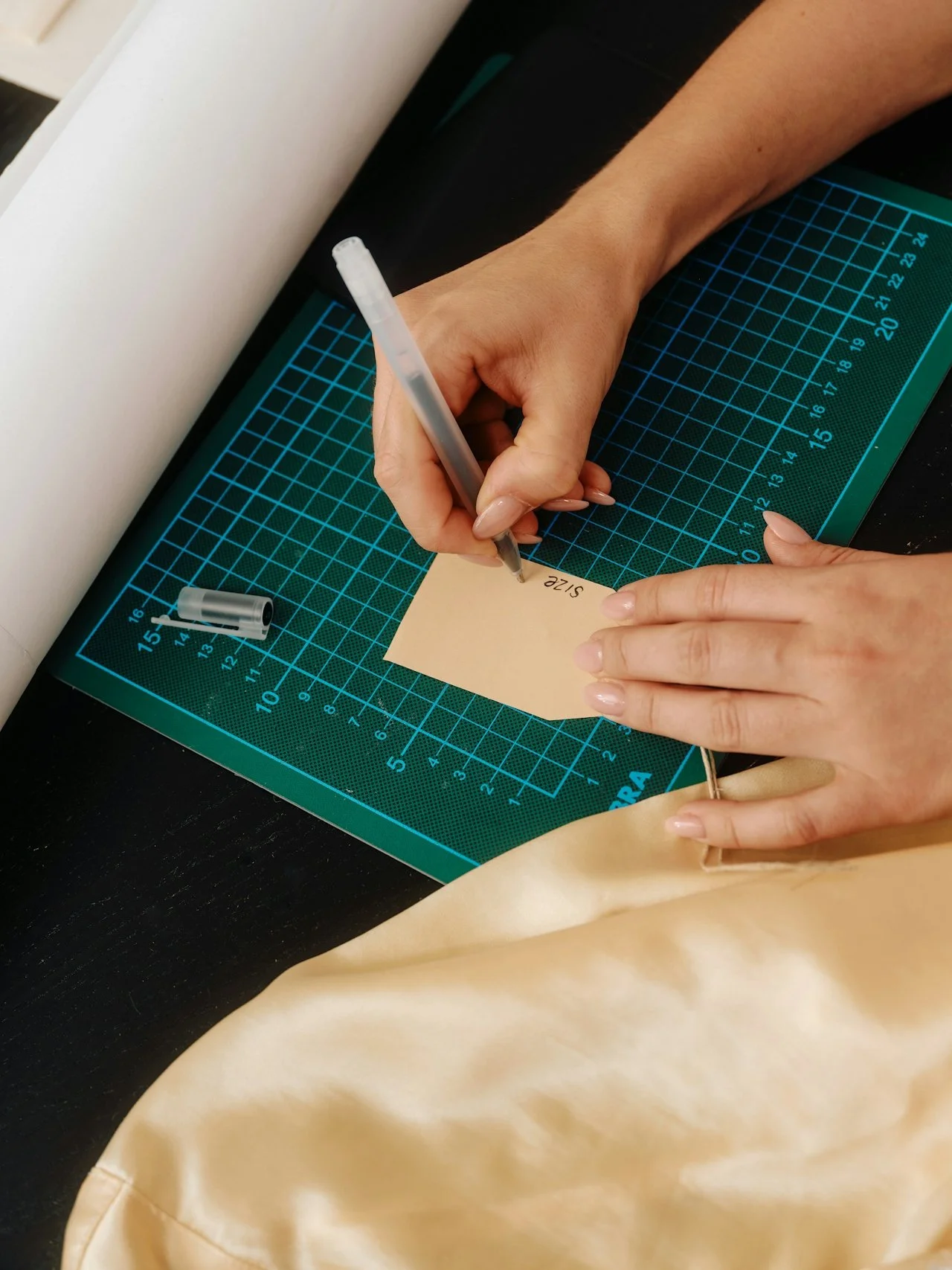
An immersive, studio-based program designed for students who want to develop strong garment construction and design skills from concept to collection.
CORE focuses on building technical confidence, creative direction, and hands-on execution—guiding students through the full design process, from research and brand development to pattern drafting, construction, and final presentation.
This program includes:
Fashion design fundamentals, industry vocabulary, and trend awareness
Brand concept development and collection building
Illustration and digital design using Adobe Illustrator
Textile exploration, print development, and surface techniques
Industrial sewing, garment construction, and pattern drafting
Fit development, grading, and quality control
Portfolio development and professional presentation
Through structured studio labs that simulate a real design environment, students develop independence, technical precision, and creative identity.
Ideal for students who want a design-centered education focused on garment construction, pattern making, and building original collections.
One important thing to know
These pathways are designed to stand alone—or be combined over time.
You can start with a focused program or commit to the full pathway. An Admissions Advisor can help you understand how these options connect and which starting point makes the most sense for you.
Career Progression in Fashion
Fashion careers typically build through experience, increasing responsibility, and continued learning.
Most people begin in assistant or coordinator roles, then grow into more specialized positions as they gain industry experience.
Fashion Systems programs are designed to support that first stage—with skills that translate across teams and roles.
Graduates are prepared for roles such as:
Product Development Assistant
Design or Technical Assistant
Buying or Merchandising Assistant
Production or Operations Coordinator
Ecommerce, Brand, or Marketing Assistant
These roles focus on learning how fashion teams work, building core skills, and gaining exposure across functions.
Early Career Roles
With Experience
With time and on-the-job experience, professionals may move into roles like:
Product Developer or Technical Designer
Assistant Buyer or Merchandiser
Production or Supply Chain Coordinator
Brand or Marketing Coordinator
Ecommerce or Digital Merchandiser
At this stage, work typically involves more ownership, specialization, and decision-making.
Longer-Term Paths
Over time, some professionals progress into senior or leadership roles, while others pivot, specialize, freelance, or continue their education. There’s no single path—careers in fashion are shaped by experience, performance, and industry conditions.

Multiple start dates throughout the year
Our fashion programs run with multiple start dates throughout the year, depending on the pathway. Rather than waiting for a single intake, students can begin when they’re ready—with the same curriculum standards and expectations.
Not sure which program fits?
Fill out the form below to connect with an Admissions Advisor.
You’ll receive a text and email with options book a call or visit the campus.